
-

1. The Art of Starting the Day with Coffee
There is something timeless about the ritual of morning coffee. Before the noise of the day begins, before emails and responsibilities demand attention, there is a quiet moment defined by aroma, warmth, and anticipation. A good café understands that this first cup is not just a drink; it is a daily reset.
Opening the doors early each morning is more than a business decision. It is a commitment to being part of people’s routines. Some guests arrive alone, looking for a peaceful corner to gather their thoughts. Others meet colleagues to plan the day ahead. Many simply stop by for a familiar greeting and a cup prepared exactly the way they like it. These small, consistent moments build a sense of belonging.
Quality plays a crucial role in this experience. Freshly brewed coffee made from carefully selected beans delivers depth, balance, and character. The aroma that fills the space sets the tone for the entire room. When paired with freshly baked pastries or a simple, well-prepared breakfast, the experience becomes complete.
But beyond taste and aroma, atmosphere matters just as much. Soft lighting, natural materials, and comfortable seating create a welcoming environment. A café should feel like an extension of home, yet still carry the quiet energy of a shared public space. Music in the background, the sound of milk steaming, and the low murmur of conversation all contribute to a comforting rhythm.
Hospitality is at the heart of it all. A genuine smile, a remembered name, or a short conversation can transform a simple visit into a meaningful connection. Over time, these interactions create a community of regular guests who feel valued and appreciated.
Starting the day with coffee is a tradition shared around the world. In every culture, the act of gathering over a warm cup carries significance. By respecting this tradition and focusing on quality, atmosphere, and service, a café becomes more than a place to drink coffee. It becomes a daily ritual, a meeting point, and a reliable beginning to every morning.

2. From Bean to Cup: The Journey of Quality Coffee
Every great cup of coffee begins long before it reaches the espresso machine. The journey from bean to cup is a complex process shaped by geography, climate, craftsmanship, and care. Understanding this journey helps us appreciate the depth behind each sip.
Coffee beans are grown in specific regions around the world, often in areas with rich soil and ideal altitude. Each origin carries its own character. Some beans offer bright acidity and floral notes, while others bring chocolatey richness or subtle hints of spice. These unique profiles are influenced by climate conditions, harvest methods, and local traditions.
After harvesting, beans go through processing methods that further define their flavor. Whether washed, natural, or honey-processed, each technique highlights different qualities. Once dried and prepared, the beans are ready for roasting, a stage where science and art meet.
Roasting transforms the green beans into the aromatic brown beans we recognize. The level of roast affects body, acidity, and flavor complexity. A careful roast ensures balance, preserving the natural characteristics of the bean while developing sweetness and depth.
In the café, precision continues to matter. Grind size, water temperature, extraction time, and milk texture all influence the final result. A skilled barista treats coffee preparation as a craft. Consistency and attention to detail ensure that every cup meets the same high standard.
Freshness is equally important. Coffee tastes best when brewed shortly after roasting. Proper storage protects the beans from air, moisture, and light, maintaining their integrity. These small steps make a noticeable difference.
When guests enjoy a cup of premium coffee, they are experiencing the result of global collaboration and local expertise. From farmers to roasters to baristas, many hands contribute to that single moment. Recognizing this journey deepens appreciation and turns a simple beverage into a story of dedication and passion.

3. Creating a Café That Feels Like Home
A successful café is not defined only by its menu. It is defined by how people feel when they walk through the door. Comfort, warmth, and authenticity are essential elements in creating a space that feels like home.
Interior design plays an important role. Natural wood, soft lighting, and carefully chosen décor create a welcoming atmosphere. Thoughtful details, such as comfortable seating and inviting communal tables, encourage guests to stay longer. A well-designed space balances openness with intimacy, offering both quiet corners and lively social areas.
Community is at the heart of every neighborhood café. Regular guests often form connections not only with the staff but also with each other. Over time, the café becomes a meeting place for conversations, celebrations, and everyday routines. This sense of familiarity builds loyalty and trust.
Service makes the greatest difference. A friendly greeting, attentive listening, and genuine hospitality transform a simple visit into a memorable experience. Staff who take pride in their work contribute to a positive environment. When guests feel valued, they return not just for the coffee, but for the atmosphere.
Menu offerings should reflect both quality and care. Fresh pastries, thoughtfully prepared breakfast options, and expertly brewed coffee show dedication to excellence. Seasonal items can add variety and keep the experience interesting for returning guests.
A café that feels like home provides comfort without pretense. It respects tradition while embracing modern tastes. It is a place where people can work, relax, meet friends, or simply enjoy a quiet moment alone.
In the end, creating such a space requires attention to detail, consistency, and heart. When all these elements come together, a café becomes more than a business. It becomes part of daily life.
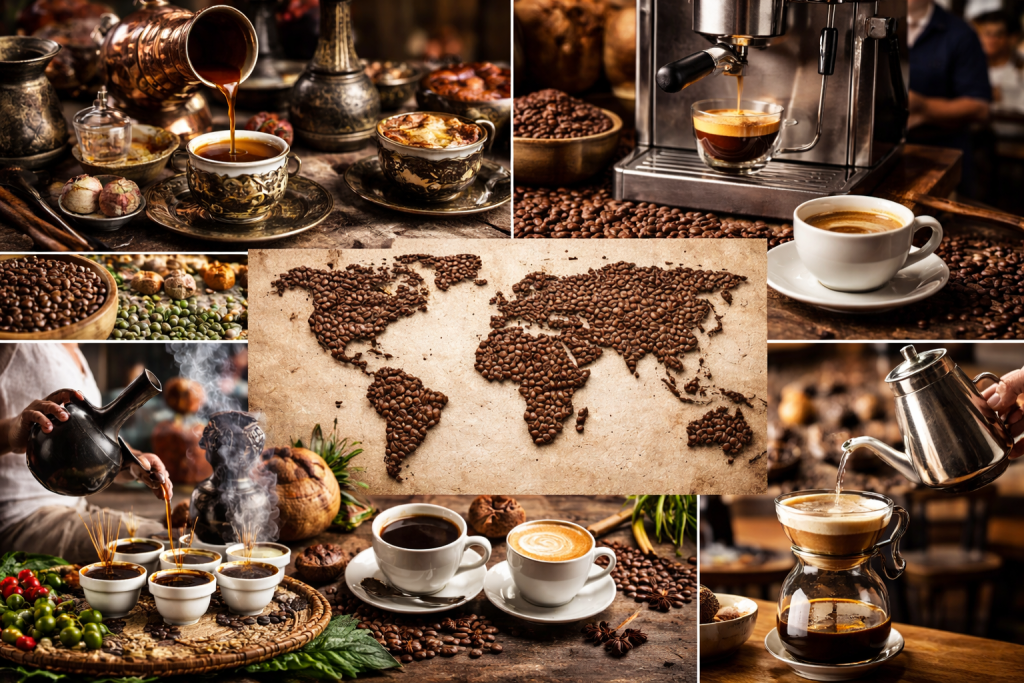
4. The Culture of Coffee Around the World
Coffee is more than a beverage; it is a global tradition shaped by centuries of history. Across continents, different cultures have developed unique ways of preparing and enjoying coffee, each reflecting local customs and values.
In some countries, coffee is strong and intense, served in small cups meant to be savored slowly. In others, it is enjoyed with milk and sugar, shared during long conversations. These traditions influence not only flavor but also social interaction.
Coffeehouses have historically served as gathering places for intellectual discussion, business meetings, and artistic exchange. They have been spaces where ideas are formed and communities are strengthened. Even today, cafés continue this tradition by offering a welcoming environment for connection.
Exploring different origins introduces guests to a wide range of flavor profiles. Beans from Latin America may offer bright acidity and nutty sweetness. African coffees often bring floral or fruity notes. Asian varieties can present earthy depth and spice. Each cup tells a story of its region.
Modern cafés embrace this diversity by offering single-origin options and signature blends. By educating guests about origins and preparation methods, cafés encourage a deeper appreciation for quality coffee.
The culture of coffee is constantly evolving. While new brewing methods and trends emerge, the core purpose remains the same: bringing people together over a shared experience. By honoring global traditions and maintaining high standards, a café becomes part of this rich and ongoing story.

5. Why Quality Ingredients Matter in Every Cup
Quality is not an accident. It is the result of careful choices at every stage of preparation. In a café, every ingredient matters, from the coffee beans to the milk to the pastries served alongside.
High-quality beans provide the foundation. Without excellent raw material, even the most skilled preparation cannot achieve outstanding results. Selecting beans from reputable sources ensures consistency and flavor integrity.
Water quality is often overlooked, yet it significantly affects taste. Clean, properly filtered water allows the natural flavors of the coffee to shine. Equipment maintenance is equally important. Well-calibrated machines and grinders guarantee precise extraction.
Fresh milk contributes texture and sweetness in milk-based drinks. Proper steaming techniques create smooth microfoam that enhances both flavor and presentation. Even the choice of cups influences temperature retention and overall enjoyment.
Attention to detail extends to baked goods and breakfast offerings. Fresh ingredients and careful preparation demonstrate respect for guests. When food and coffee complement each other, the experience becomes cohesive and satisfying.
Consistency builds trust. Guests return because they know what to expect. Delivering the same high standard every day requires discipline, training, and pride in craftsmanship.
Ultimately, quality ingredients reflect a deeper philosophy. They show commitment to excellence and care for the customer experience. In every cup served, that commitment becomes visible, turning a simple coffee into something memorable.